

Why Photorealistic Renders Matter in Architecture
- Chaim Gestetner

- Nov 3, 2025
- 4 min read
When you’re selling a vision, clarity is everything. Virtual reality (VR) has revolutionized how we experience architectural projects before a single brick is laid. It’s not just about looking at a design; it’s about stepping inside it. VR lets you explore every corner, every detail, and every nuance of a space. This immersive experience helps you sell faster, avoid costly mistakes, and build investor confidence from day one.
But VR is just the beginning. Supporting tools like scale models and photorealistic renders bring additional layers of understanding and trust. Together, they create a powerful toolkit that turns abstract ideas into tangible experiences.
How Photorealistic Renders Enhance Your Vision
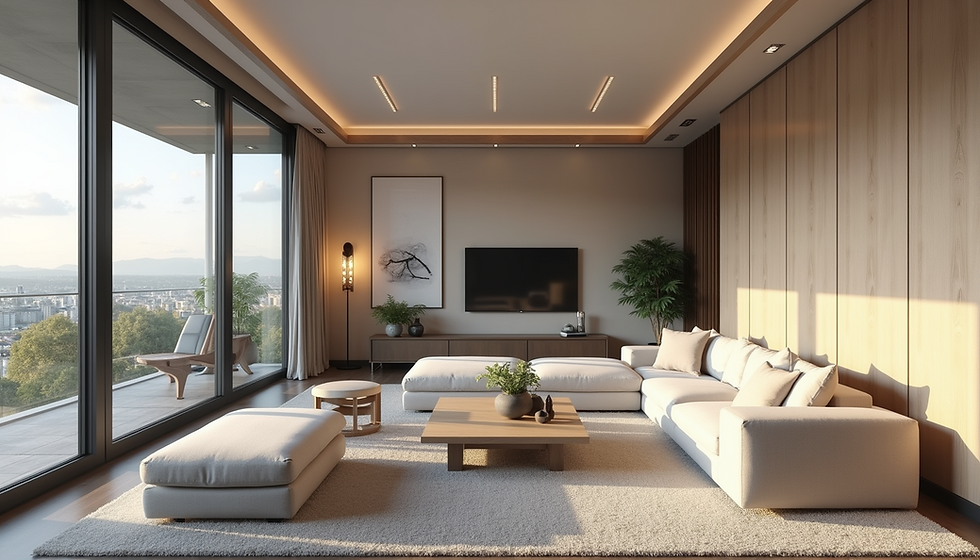
Photorealistic renders are more than just pretty pictures. They are detailed, lifelike images that show exactly how a building will look in real life. These renders help you communicate your design clearly to clients, investors, and stakeholders who may not be familiar with architectural drawings.
Imagine showing a client a stunning image of their future office or home, complete with natural lighting, textures, and landscaping. It’s easier for them to say “yes” when they can see the final product in vivid detail. This clarity can reduce decision-making time by up to 30%, speeding up sales and project approvals.
Photorealistic renders also help catch design flaws early. When you see a space as it will truly appear, you can spot issues with scale, color, or materials before construction begins. This proactive approach saves time and money by preventing costly changes on-site.

Why VR Comes First in Architectural Visualization
VR is the game-changer in architectural visualization. It’s immersive, interactive, and incredibly effective at conveying scale and space. When you put on a VR headset, you don’t just see a building—you feel like you’re inside it.
This immersive experience helps you sell projects faster. Buyers and investors can walk through a property virtually, exploring every room and detail. This hands-on approach builds confidence and excitement, often leading to quicker commitments.
VR also reduces mistakes. By experiencing the space firsthand, you can identify design issues that might be missed in 2D plans or static images. This early detection helps avoid expensive rework during construction.
Scale models and photorealistic renders support VR by providing additional perspectives. Scale models offer a tactile, physical representation of the project, helping with spatial understanding. Photorealistic renders provide detailed visuals that highlight materials and finishes.
Together, these tools create a comprehensive visualization package that turns concepts into experiences.

The Power of Scale Models in Supporting Visualizations
While VR and photorealistic renders dominate the scene, scale models remain a valuable asset. They offer a tangible, three-dimensional representation of a project that can be held, touched, and examined from every angle.
Scale models are especially useful in meetings and presentations. They provide a quick, intuitive way to understand complex designs and site layouts. For example, a 1:100 scale model of a residential complex can show how buildings relate to each other and the surrounding environment.
These models also help with planning and approvals. City planners and regulatory bodies often appreciate physical models because they clearly demonstrate compliance with zoning and design guidelines.
When combined with VR and photorealistic renders, scale models complete the visualization toolkit. They provide a physical anchor to the digital experience, making the project feel real and achievable.
How Photorealistic 3D Renderings Boost Investor Confidence
Investors want certainty. They want to know their money is going into a project that’s well-planned and visually compelling. This is where photorealistic 3d renderings shine.
These renders provide a crystal-clear preview of the final product. Investors can see exactly what they’re funding, from the building’s facade to interior finishes. This transparency builds trust and reduces hesitation.
Moreover, photorealistic renders can highlight key selling points like natural light, green spaces, and premium materials. These details make the project more attractive and marketable.
By presenting a polished, professional image, you position your project as a smart investment. This can lead to faster funding rounds and stronger partnerships.
Practical Tips for Using Photorealistic Renders Effectively
To get the most out of photorealistic renders, consider these practical tips:
Use them early and often. Share renders during initial pitches to spark interest and during design reviews to gather feedback.
Focus on key areas. Highlight spaces that matter most to your audience, such as living rooms, lobbies, or outdoor amenities.
Combine with VR tours. Let clients explore the space virtually, then reinforce the experience with detailed renders.
Keep images updated. Reflect design changes promptly to avoid confusion and maintain trust.
Leverage lighting and context. Show how natural light interacts with the space and include surrounding environment for realism.
By integrating these strategies, you’ll create a compelling narrative that moves projects forward smoothly.
Bringing It All Together for Success
In today’s competitive market, visualization is your secret weapon. VR leads the charge by immersing clients and investors in your vision. Scale models provide a tactile sense of space and context. Photorealistic renders add the finishing touch with stunning, detailed images that inspire confidence.
Together, these tools save time, reduce errors, and accelerate sales. They transform abstract plans into experiences that people can see, feel, and believe in.
If you want to turn your architectural concepts into compelling stories that sell, start with VR, support with scale models, and seal the deal with photorealistic renders. This approach will help you close deals faster and build lasting trust with every project.
Ready to elevate your architectural presentations? Explore how photorealistic 3d renderings can bring your designs to life and inspire confidence like never before.


Comments